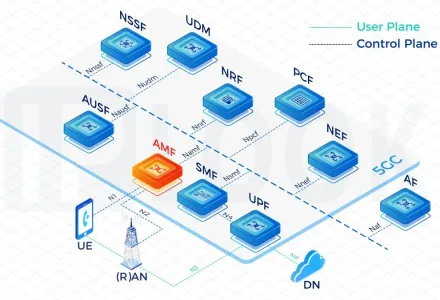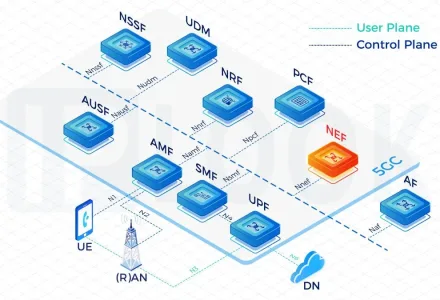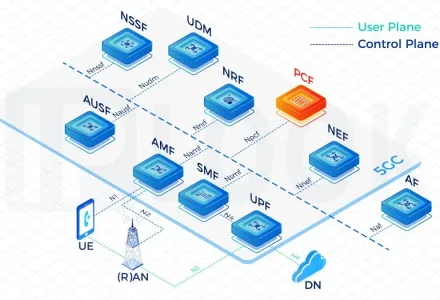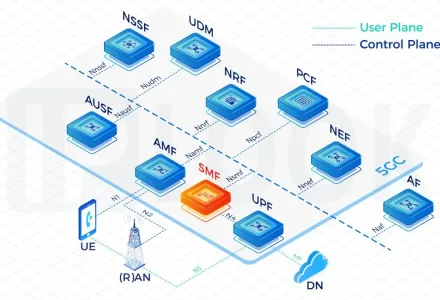
4G/5G Converged Core
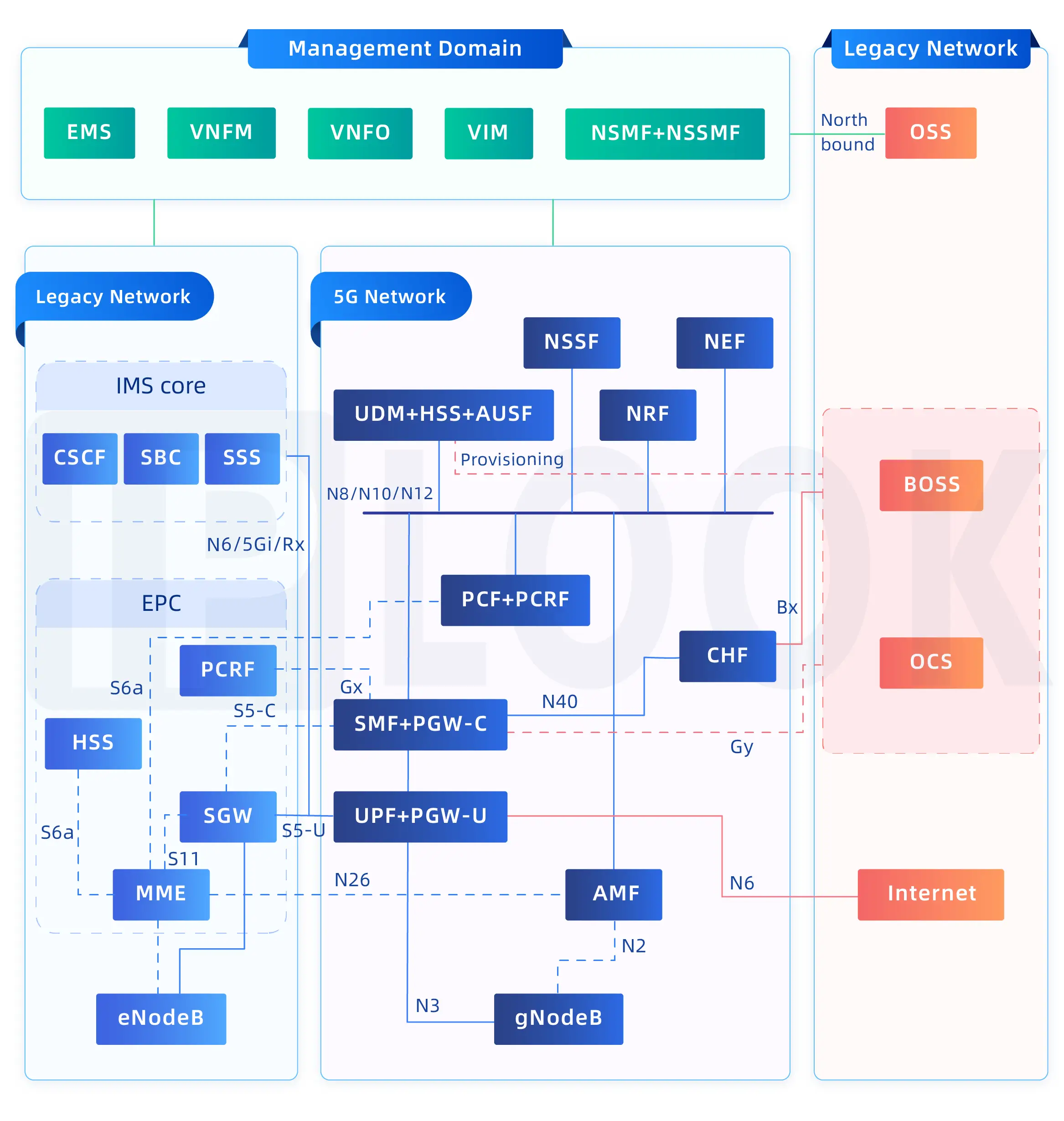
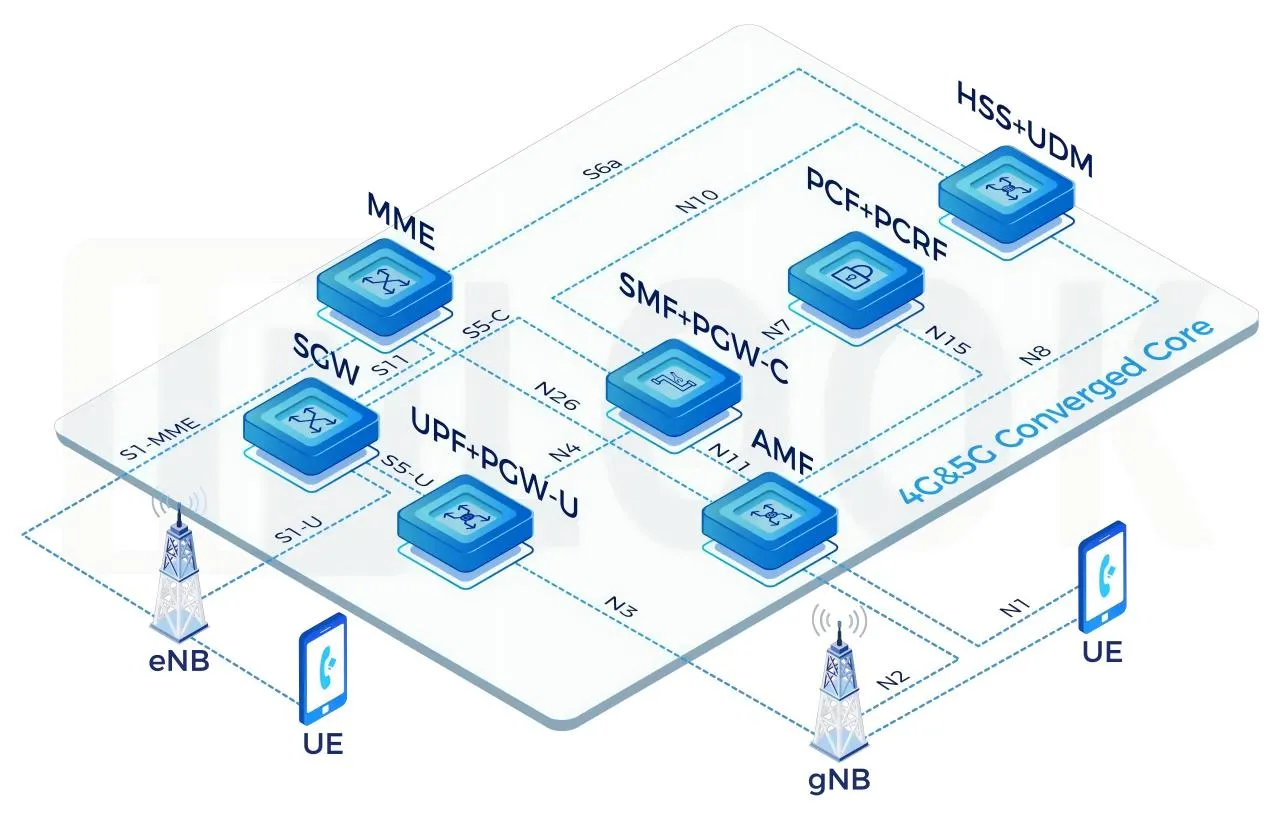
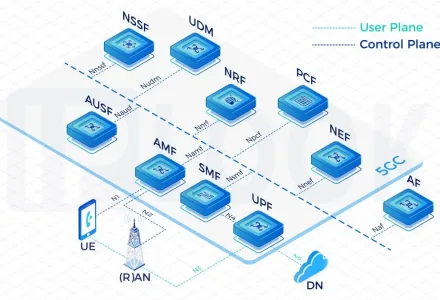
IPLOOK 4G/5G Converged Core creatively introduces 5GC architecture technology into 2G/3G/4G/Fixed Networks and deeply integrates all Networks based on Network functions and microservice components to expand the capability exposure architecture to multi-network access.
Key Features
Management Platform
Supports converged access of 2G, 3G, LTE, LTE-A, NB-IoT, 5G, WiFi and Fixed networks.
Cloud Native Design
By the flexible combination of different components, we can realize the network rebuilding from “network element orient” architecture to “service orient” architecture.
Carrier-grade DevOps Platform
“Zero touch” smart maintenance. Realize automatic design, automatic deployment, automatic development and automatic maintenance.
End-To-End Network Slicing
Service and network can be customized to fulfill diversified enterprise requirements, such as VR/AR, automatic of factory and smart power grid.
3G/4G/5G Converged Core
Enable Mobile Operators to benefit from shorter time to Market
- IPLOOK’s 3G/4G/5G Converged Core Network offers a comprehensive suite of key network functions (NFs):
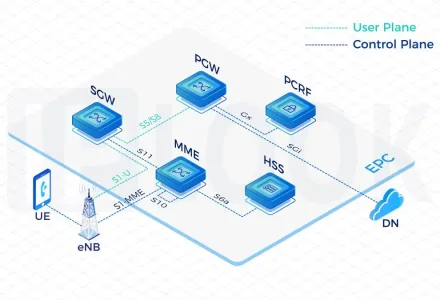
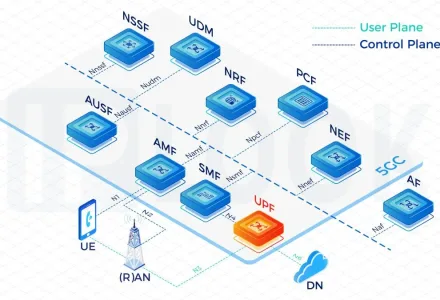
- AMF/MME/SGSN, SMF/SGW-C/PGW-C, UPF/SGW-U/PGW-U, UDM/AUSF/HSS/HLR, PCF/PCRF, NRF, NSSF, NEF, Learn More.
- Our all-in-one mobile core solution empowers operators to seamlessly transition to 5G while facilitating deep integration with vertical industries. It enables operators to deploy forward-thinking, multi-network convergence target networks and services swiftly and cost-effectively. This facilitates the evolution from a singular network architecture to a fully converged network architecture, ensuring agility, efficiency, and future readiness.
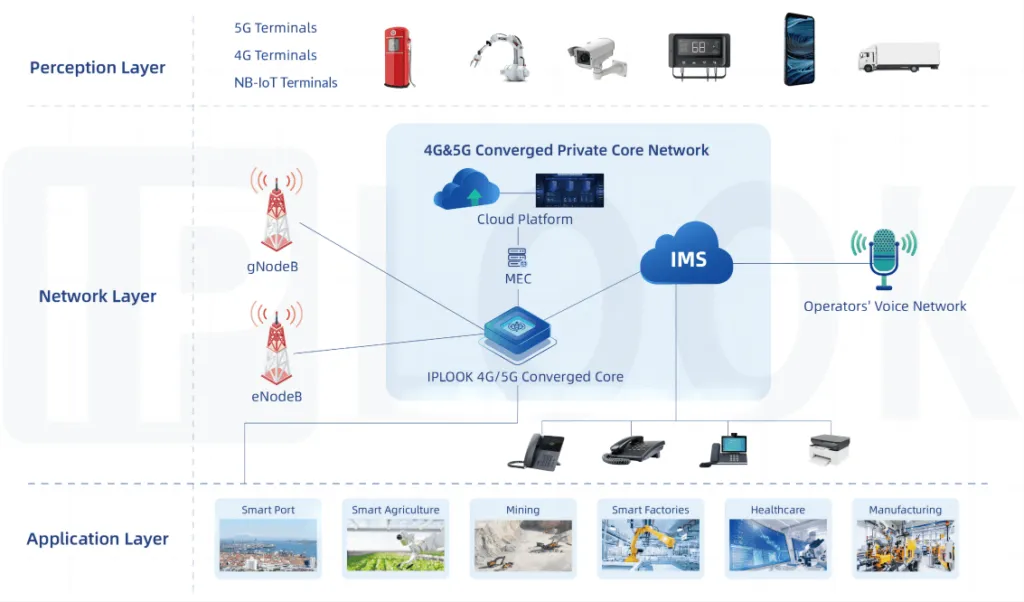
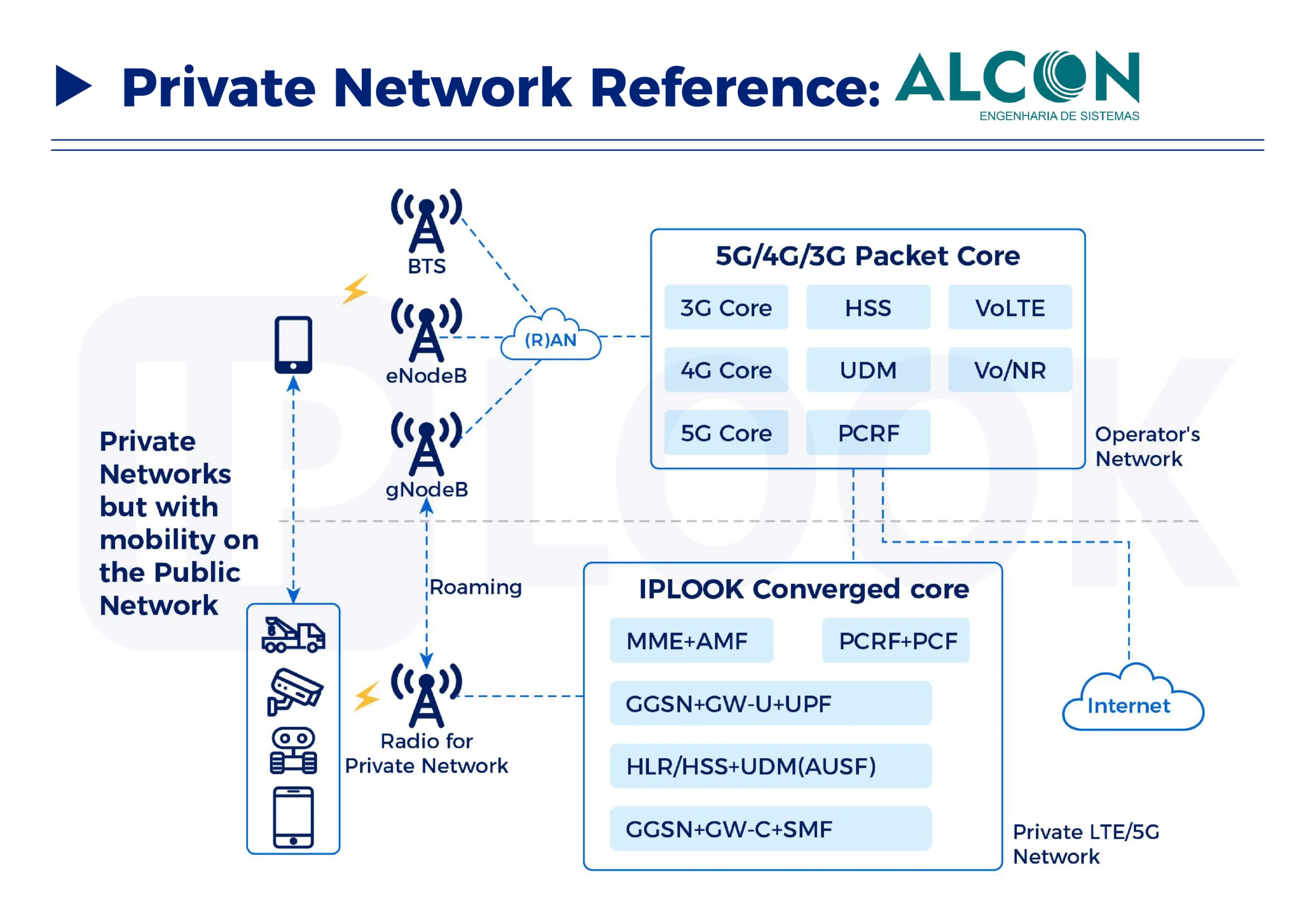
4G&5G Converged Private Core Network Solution
Rapid deployment of reliable, resilient, and simplified dedicated networks for diverse applications
- Flexible: Fully cloud-native architecture allows for flexible scaling, easy integration with existing networks, and seamless migration to 5G Network in on-premises, Cloud, or hybrid environments.
- Converged: Offers comprehensive services, including data, VoLTE/VoNR, MCPTT, and SMS, within a single system.
- Customized: Adaptable to meet unique business requirements, ideal for all vertical industries.
- Virtualized: Fully-virtualized 4G&5G Converged Private Core deployed on Cloud platform enables efficient resource allocation, dynamic scaling, and easy network function management.
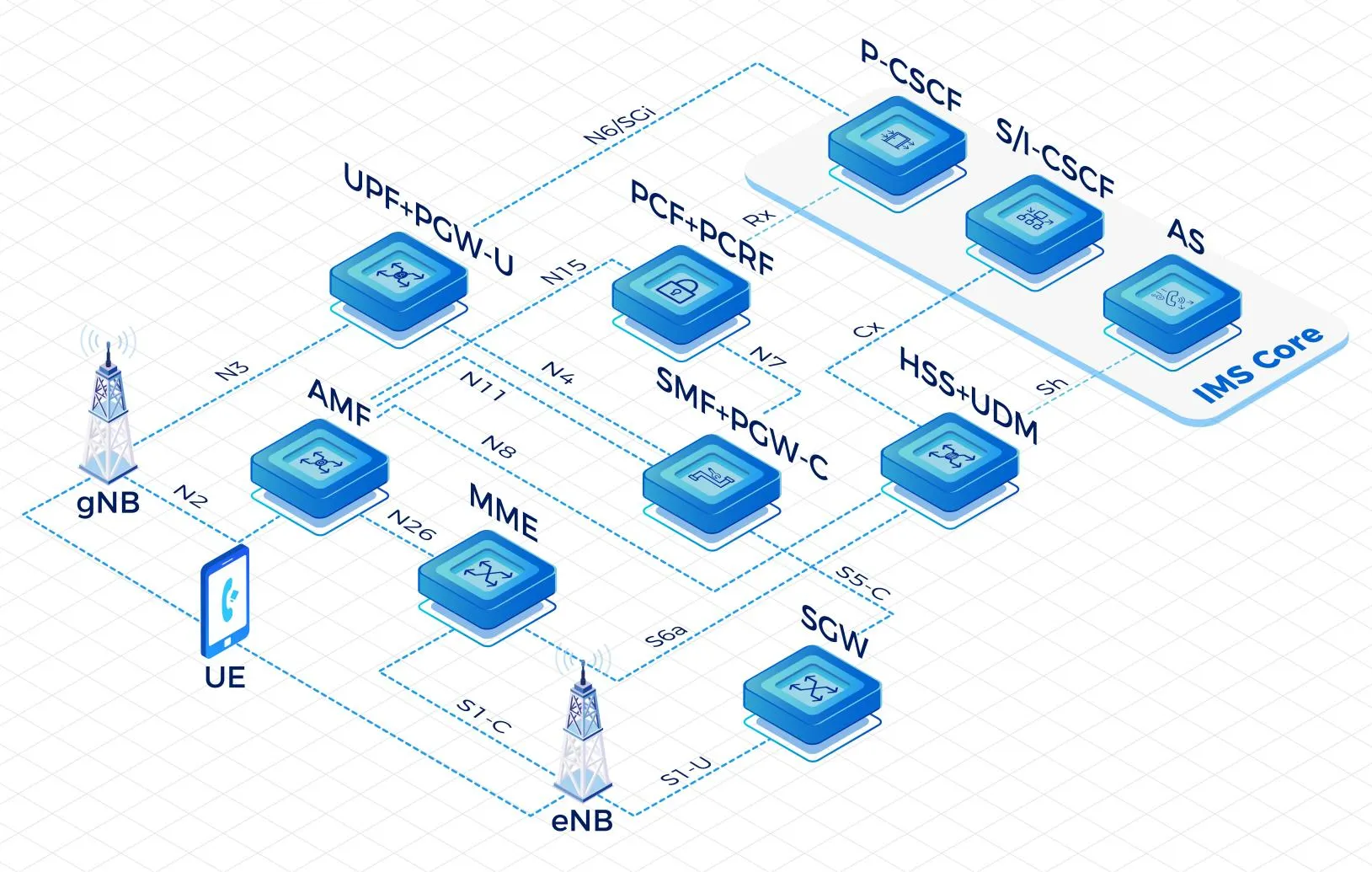
4G/5G+IMS Integrated Deployment
Simplifies unnecessary elements and provides a lightweight, customizable core network tailored to industry-specific network needs
- Seamless integration of 4G EPC and 5G SA core networks, simultaneously supporting VoLTE/VoNR dual-mode voice services
- Cross-generation compatibility for Wi-Fi/4G/5G multi-access scenarios, ensuring imperceptible migration during network upgrades
- IMS platform delivering HD voice/video calls, RCS messaging, and multiparty conferencing
- End-to-End interoperability with legacy PSTN and VoIP networks via SIP/Diameter protocol stacks
- Native support for HTTP/2 and hybrid 4G/5G signaling protocols
- AI-driven media transcoding and QoS-aware traffic optimization for cross-device experiences
Test 4G/5G Converged Core Remotely in New York IDC
Connect your local eNodeB/gNodeB to IPLOOK’s cloud-deployed carrier-grade mobile core via a secure IPSec tunnel. Verify data throughput, VoLTE/VoNR HD voice, and full multi-access capabilities with minimal setup.
IDC Core Deployment
- Converged EPC + 5GC: Pre-integrated AMF, SMF, UPF, MME, SGW, PGW, UDM/HSS/AUSF, PCF/PCRF, NRF, and NEF.
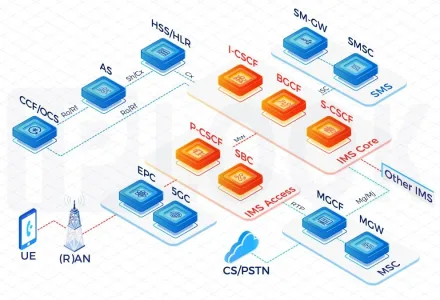
- Complete IMS Platform: Full CSCF (P-CSCF, I-CSCF, S-CSCF), SBC, and Application Server for native VoLTE/VoNR voice and video services.
- Carrier-Grade Security: Deployed on ESXi with robust pfSense VPN gateways for reliable site-to-site tunnels.
Customer Preconditions
- Base Stations: Standard eNodeB (4G) or gNodeB (5G SA) with S1/N2/N3 interface support.
- Tunnel Equipment: IPSec-supported router (e.g. TP-Link, Cisco, pfSense server).
- Network & SIM: Public IP address, local test subnet, and programmable blank SIM cards (IMSI/KI/OPC).
500+ Commercial Deployments Globally
Serving 50M+ subscribers across MNO, MVNO, FWA, and Private Network scenarios
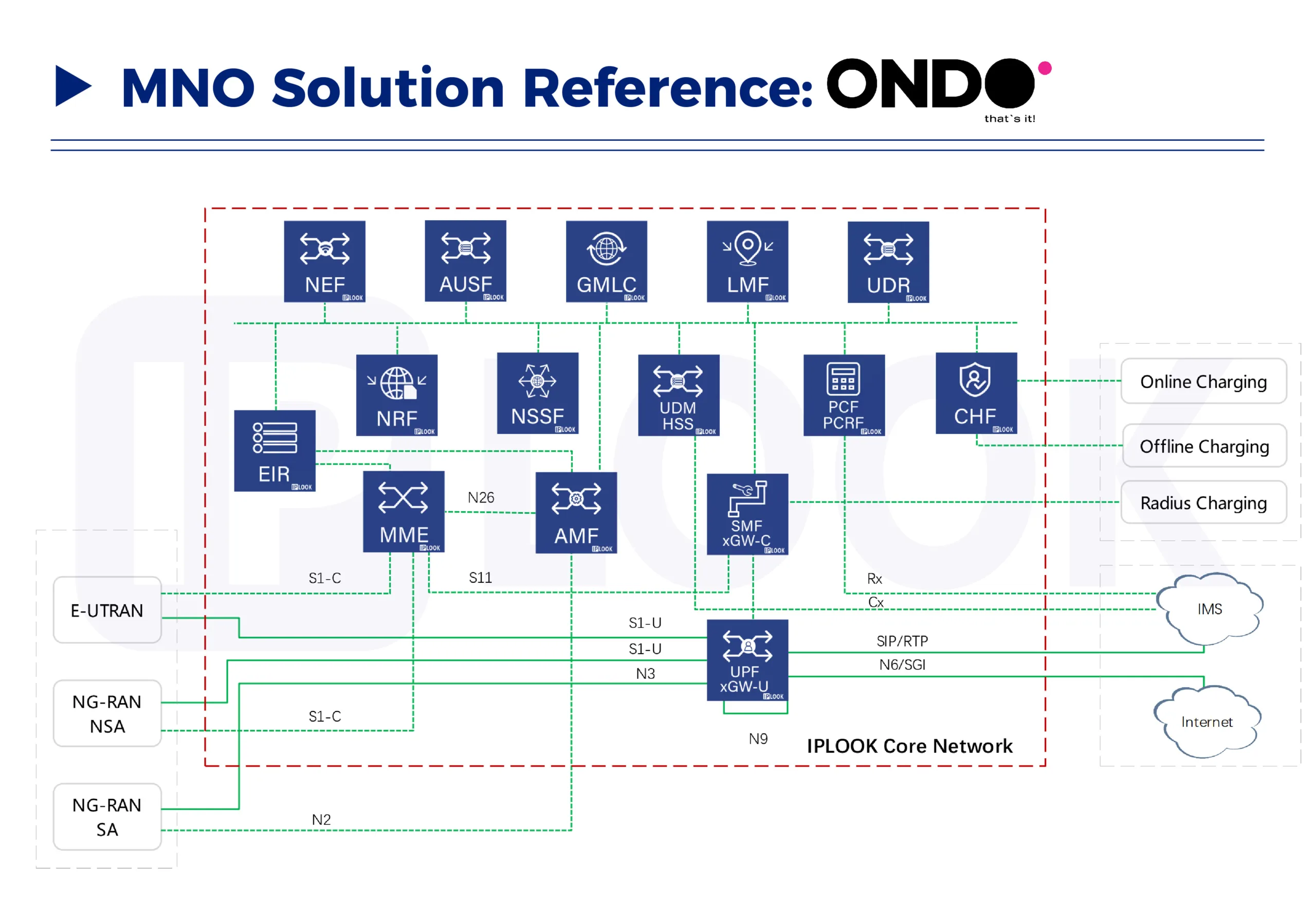
ONDO LLC (IN Mobile) - Mongolia
IPLOOK provides 4G network services (Data, VoLTE, SMS) to cover the capital area in Mongolia. Interconnects seamlessly with ZTE Macro eNodeBs and Baicells small cells.
- Plans to adopt IPLOOK IMS and SBC
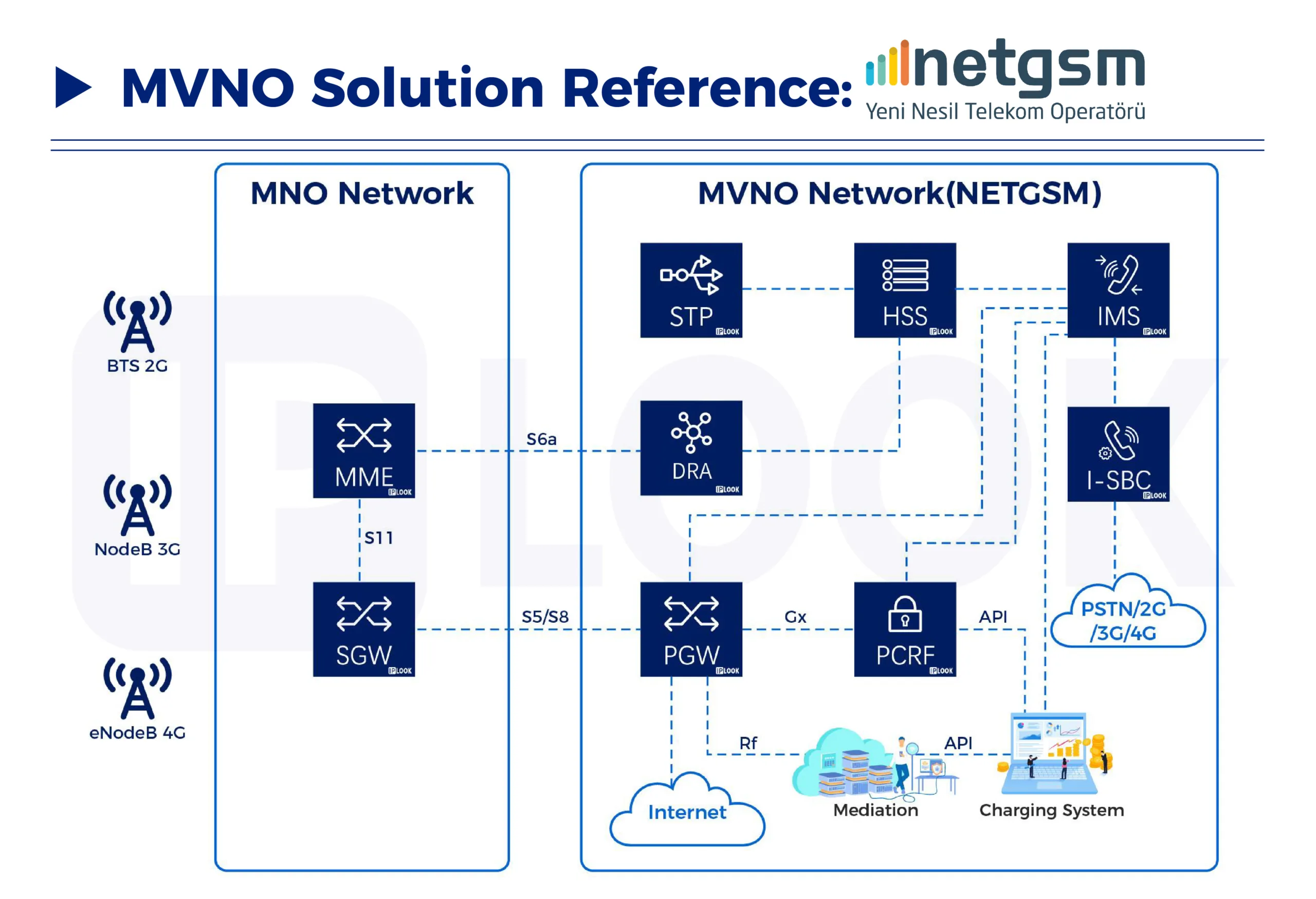
- Utilizes pooled MME, SGW, PGW with 1+1 HSS/PCRF backup
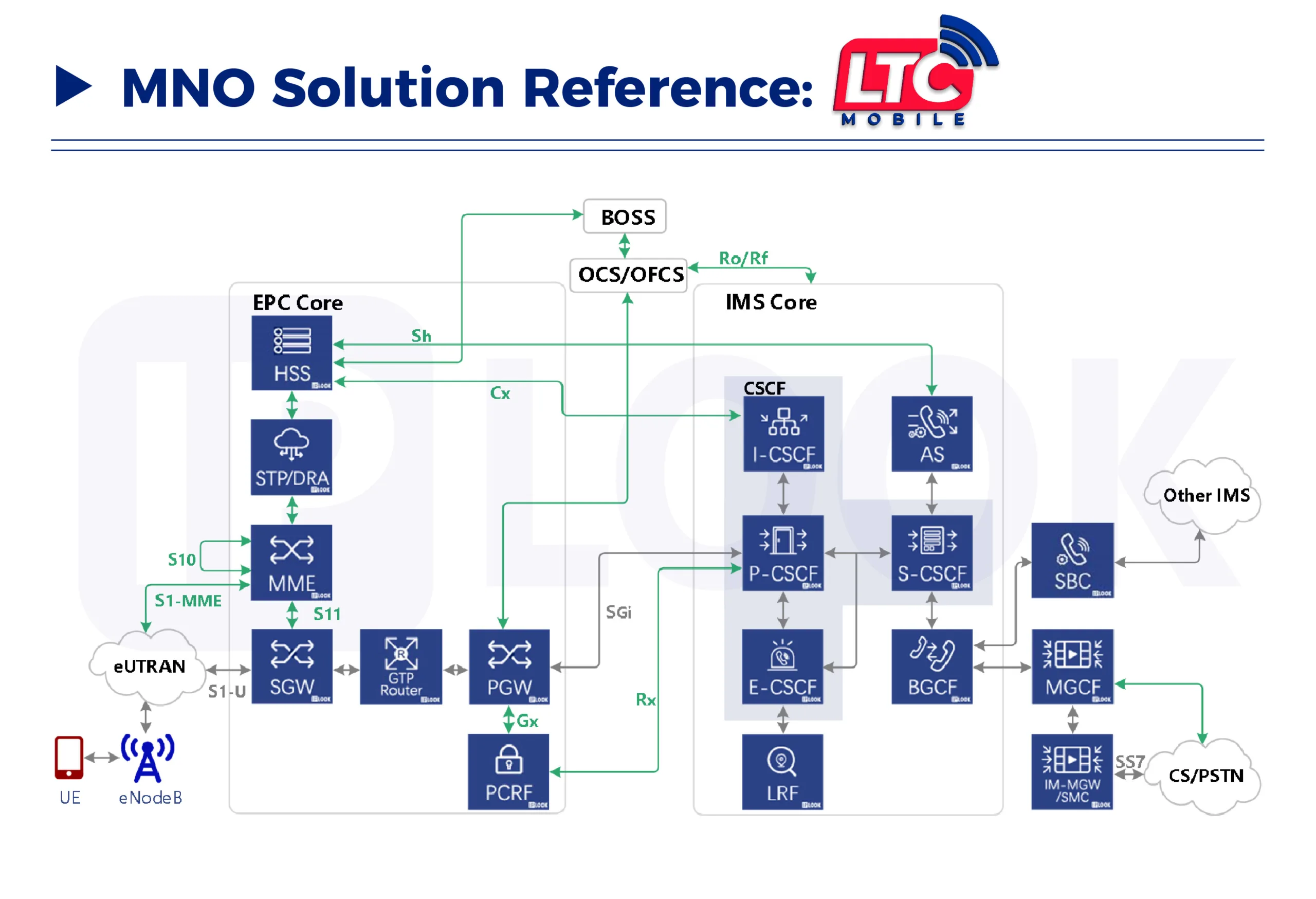
LTC Mobile - Liberia
IPLOOK offers EPC, IMS and billing functions for LTC to launch 4G mobile services, delivering affordable Data and VoLTE experiences to all Liberians.
- Cost-effective and highly customizable solution
- Rapid commercial service launch
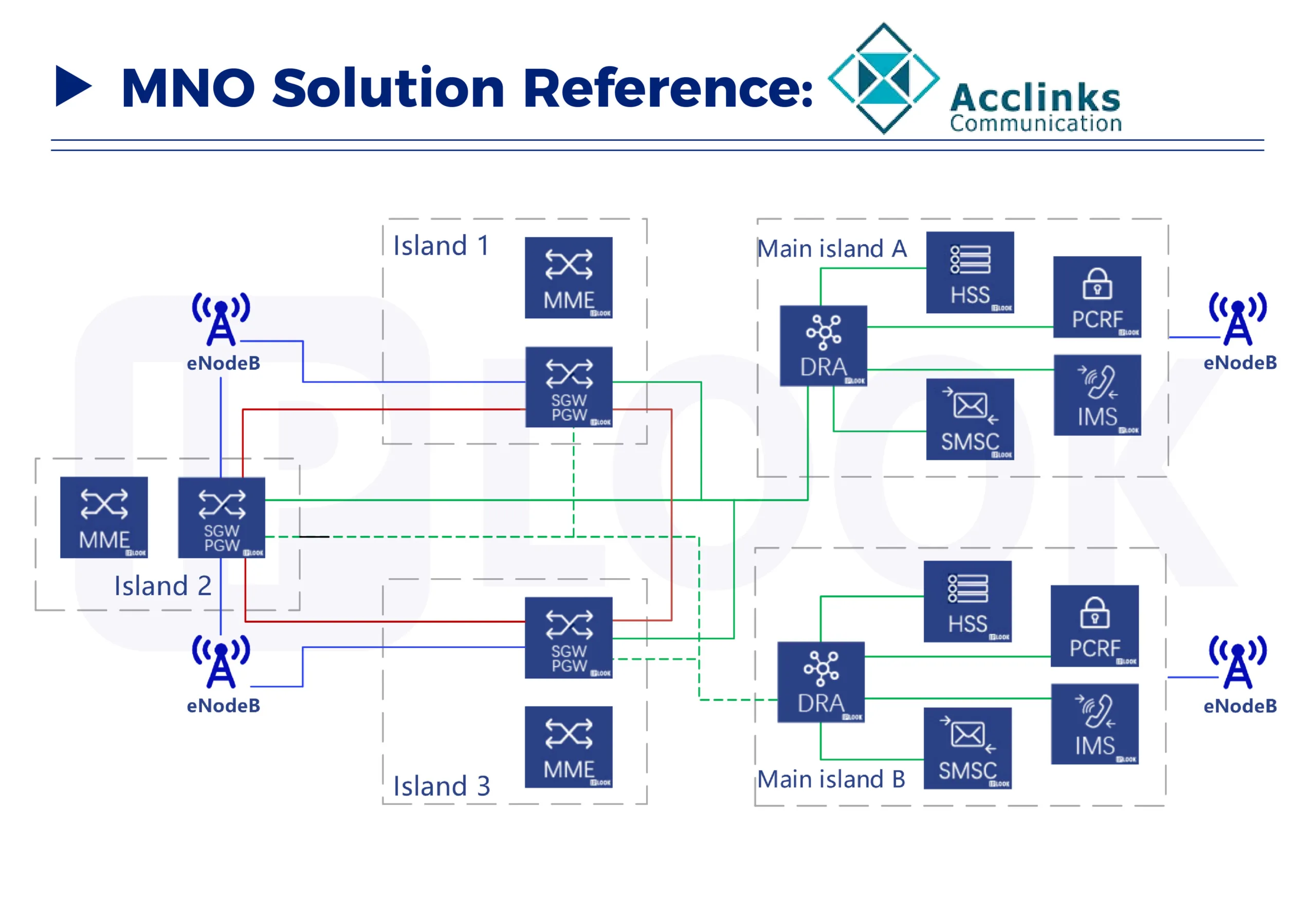
Acclinks - Kiribati
IPLOOK provides a carrier-grade EPC and IMS platform for Acclinks on Pacific Islands. Ensures high-quality network services with long latency transmission environments.
- Pure 4G services, VoLTE, CSFB, SMS, and 5G readiness
- Resource pools and 1+1 redundant backups
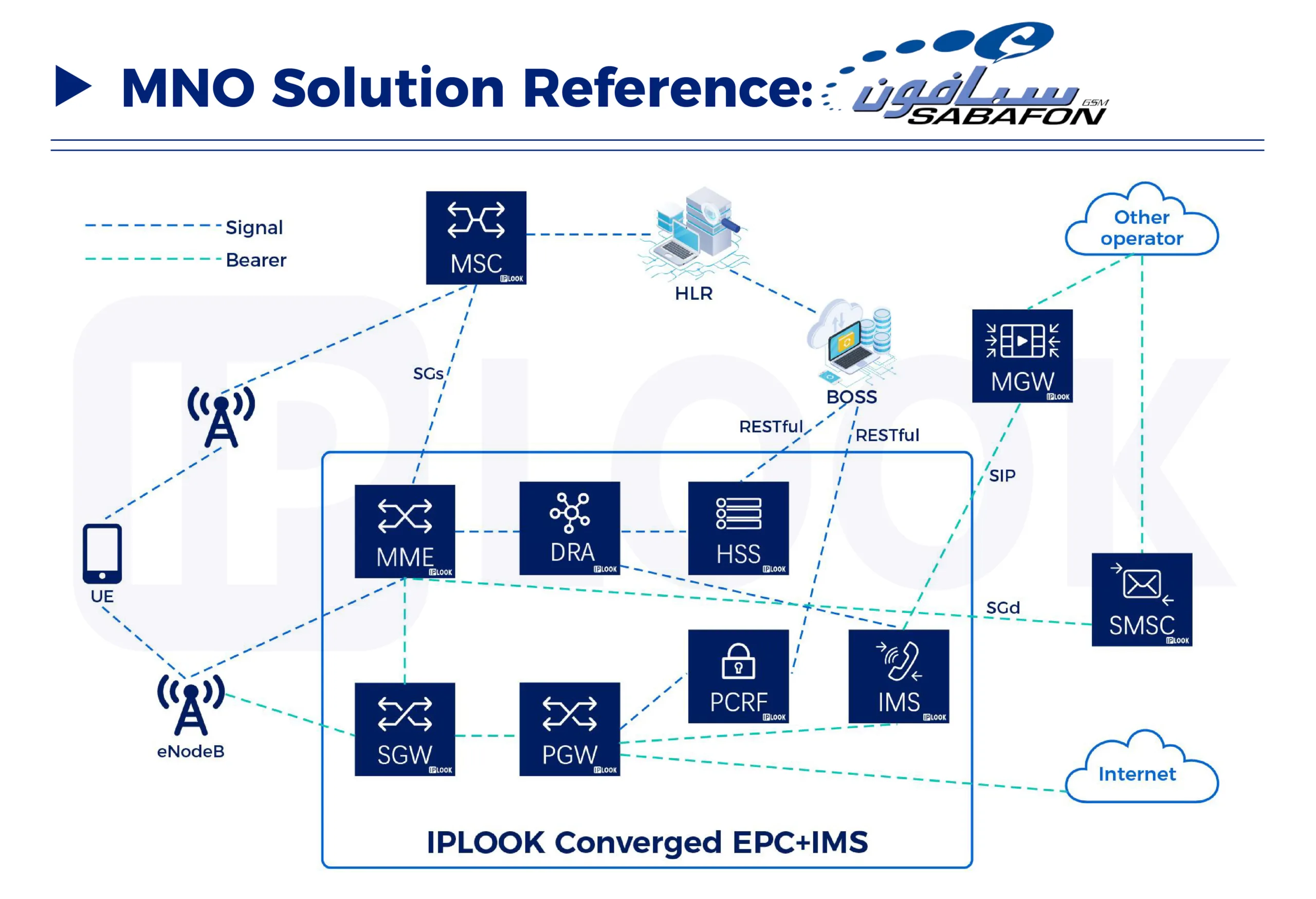
Sabafon - Yemen
Empowering Yemen’s leading operator with a converged EPC + IMS disaster-recovery solution, supporting smooth evolution across 2G/3G/4G multi-RAT networks.
- Unified HSS/HLR for intelligent subscriber management
- Seamless CS voice ↔ VoLTE interworking & MSC compatibility
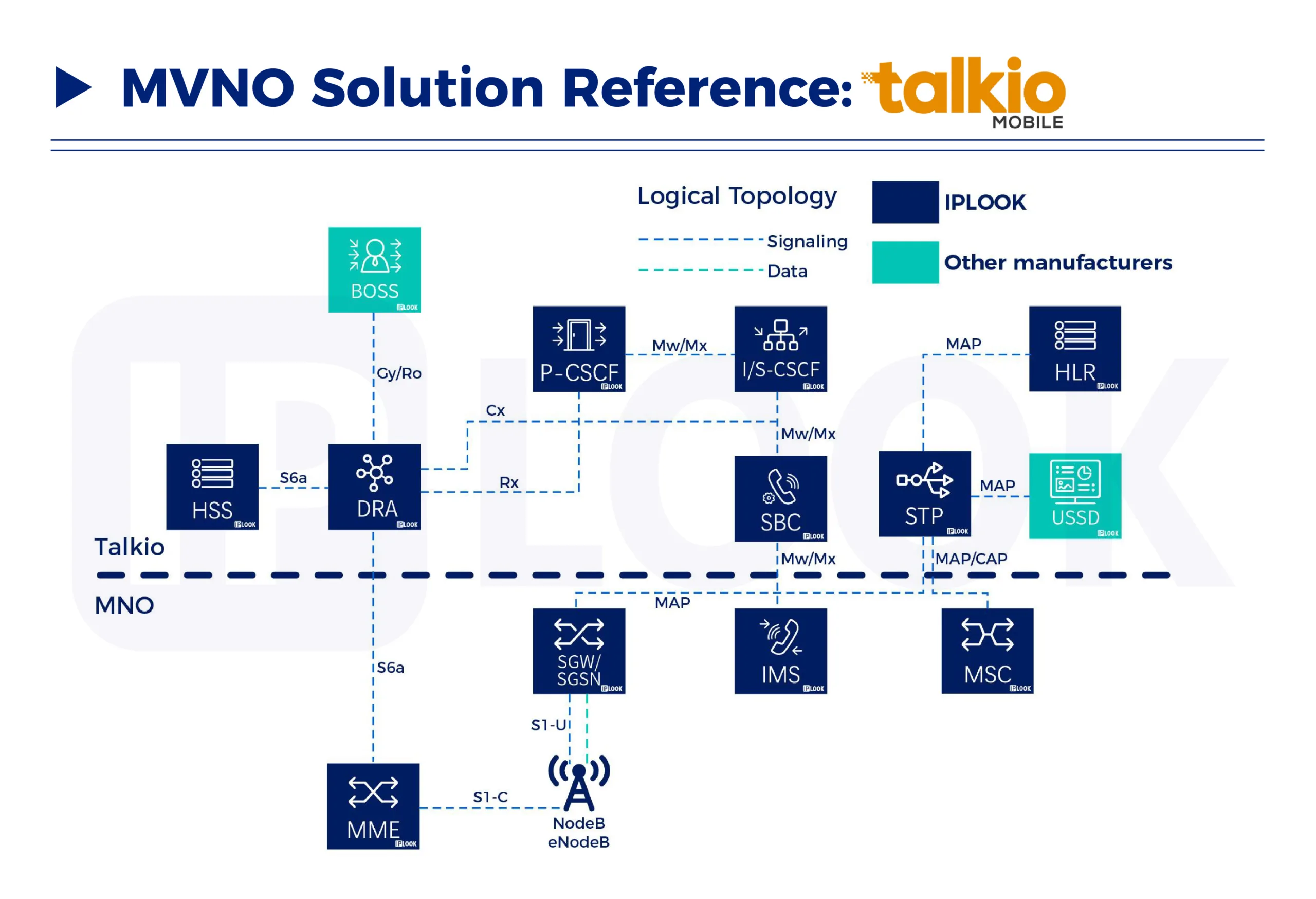
Talkio Mobile - Uganda
One-stop simplified deployment consolidating operator resources, supporting 2G/3G/4G data, SMS & voice services.
- Seamless integration with third-party charging & USSD
- Cross-network interconnection with MTN, Airtel & Lycamobile
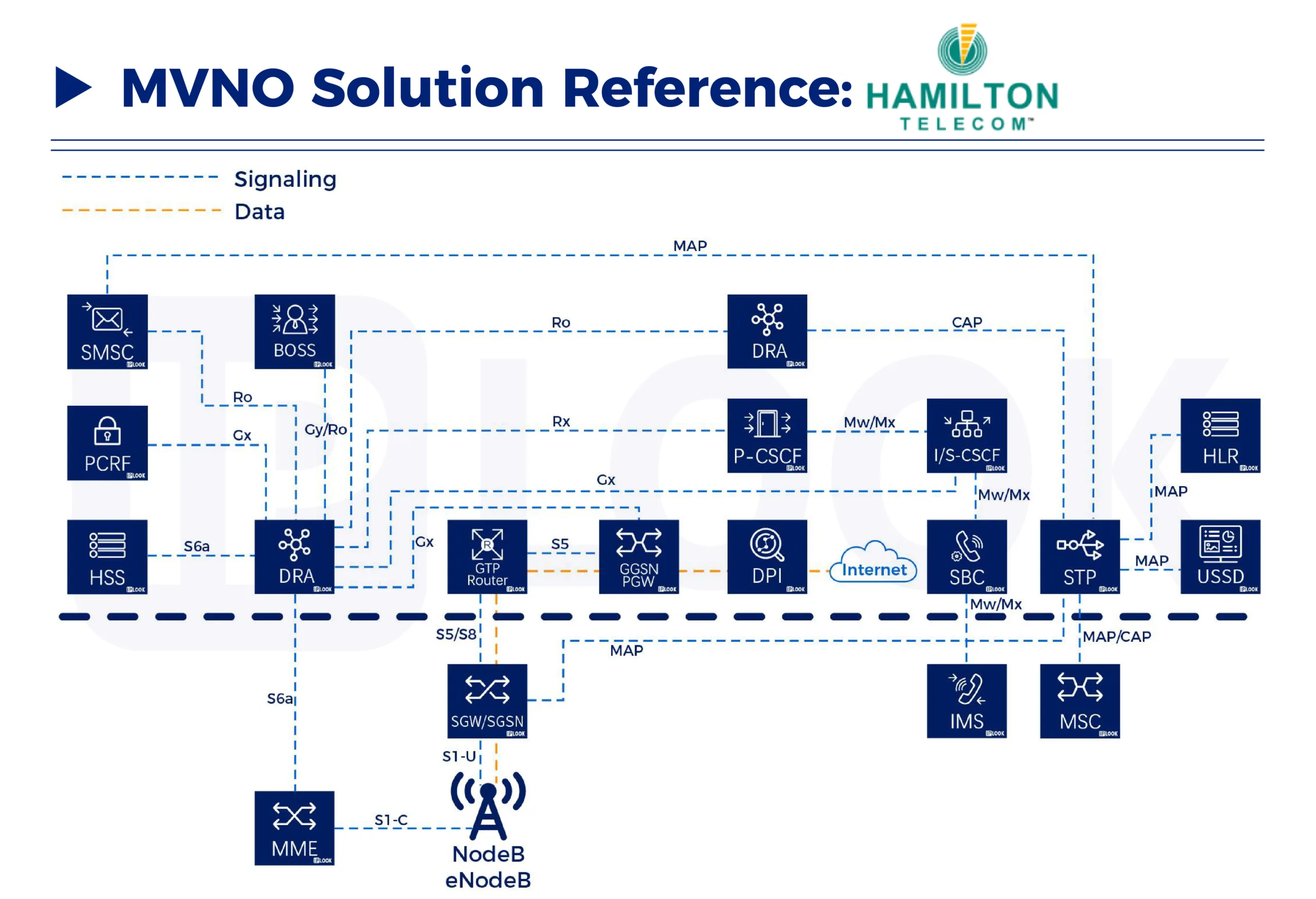
HAMILTON - Uganda
Integrated MVNE platform with billing system, data center hardware, and multi-MNO roaming interfaces. Achieved national coverage to become the first MVNE provider in Uganda.
- Provides 2G / 3G / 4G / 5G full services
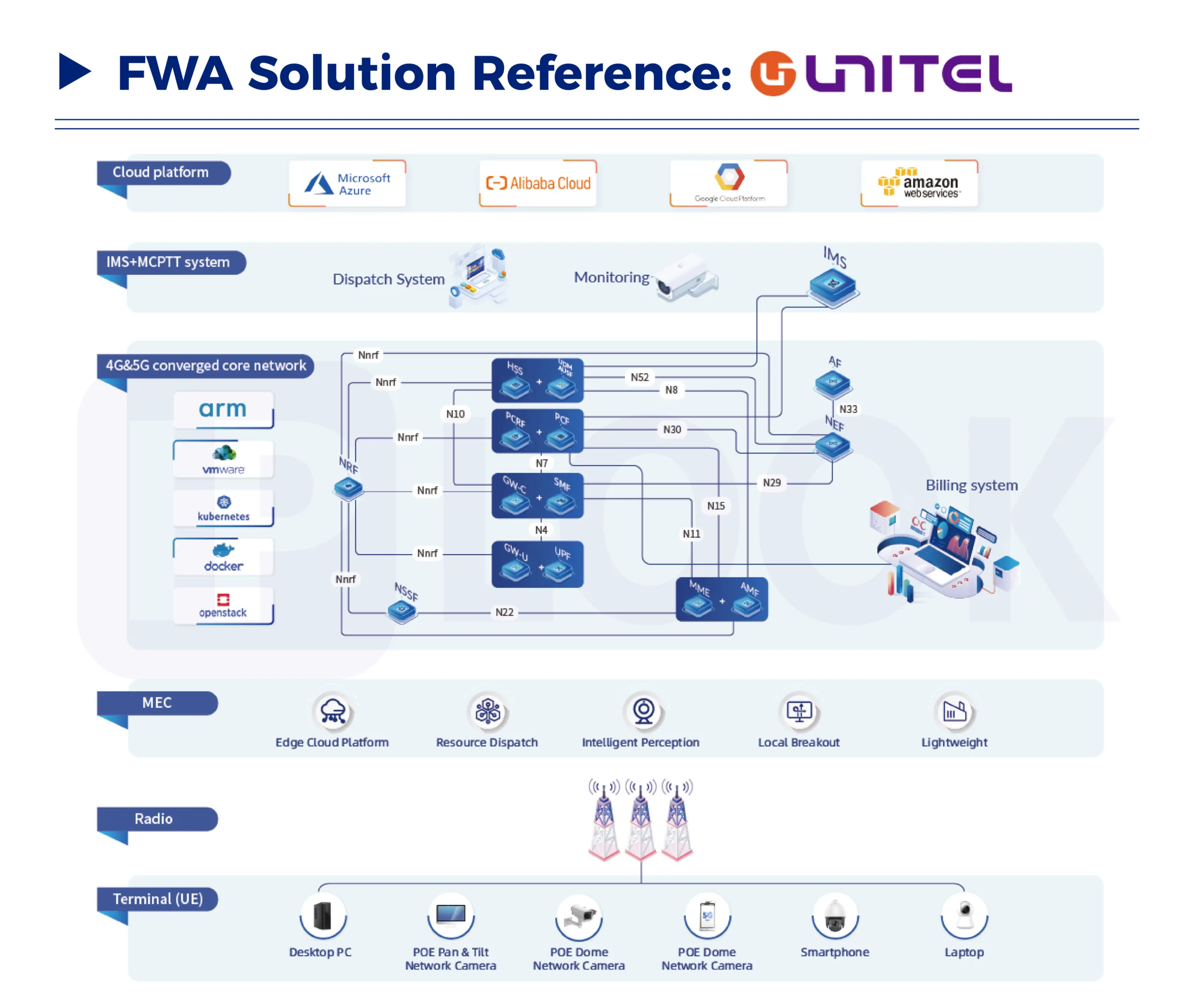
Unitel - Cape Verde
Delivering 4G/5G services, mobile data, and Fixed Wireless Access (FWA).
- Deployed first 4G/5G converged version commercially in 2023
- Recognized as Class B supplier of Unitel Group
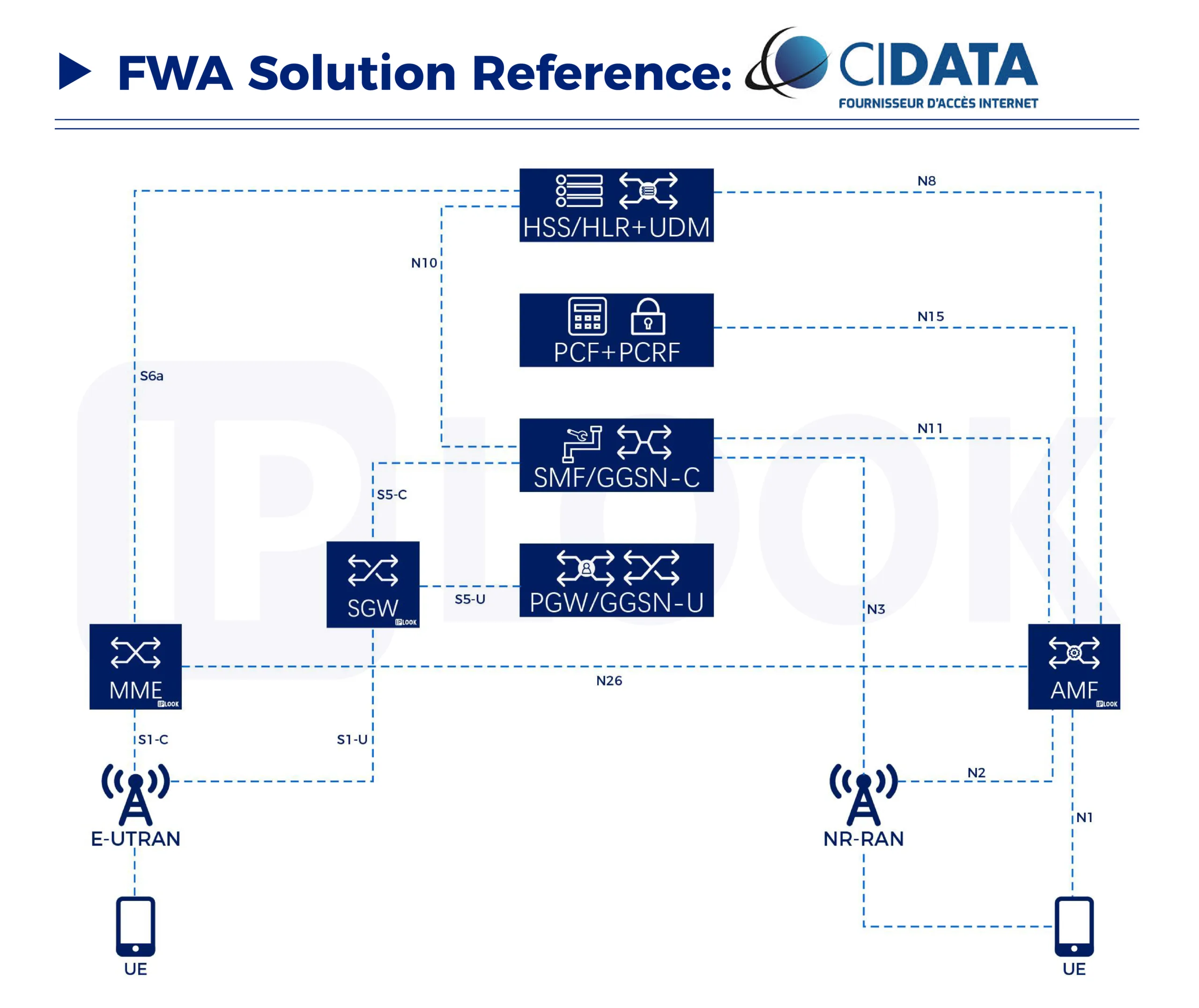
CIDATA - Ivory Coast
Sole wireless internet provider in Ivory Coast, targeting home broadband users. IPLOOK provided an end-to-end solution including core network, radio access, and CPE terminals.
- 4&5G converged core with software-upgradable 5G readiness
ALCON - Brazil
4/5G converged core supporting 5G NSA/SA and future expansion with scalable capacity.
- Customizable core services with visual monitoring interface
- Multi-vendor base station compatibility & robust redundancy
Related Solutions
MNO Solution
Scalable carrier-grade network infrastructure and macro coverage.

MVNO Solution
Flexible virtual operator enablement with rapid market deployment.
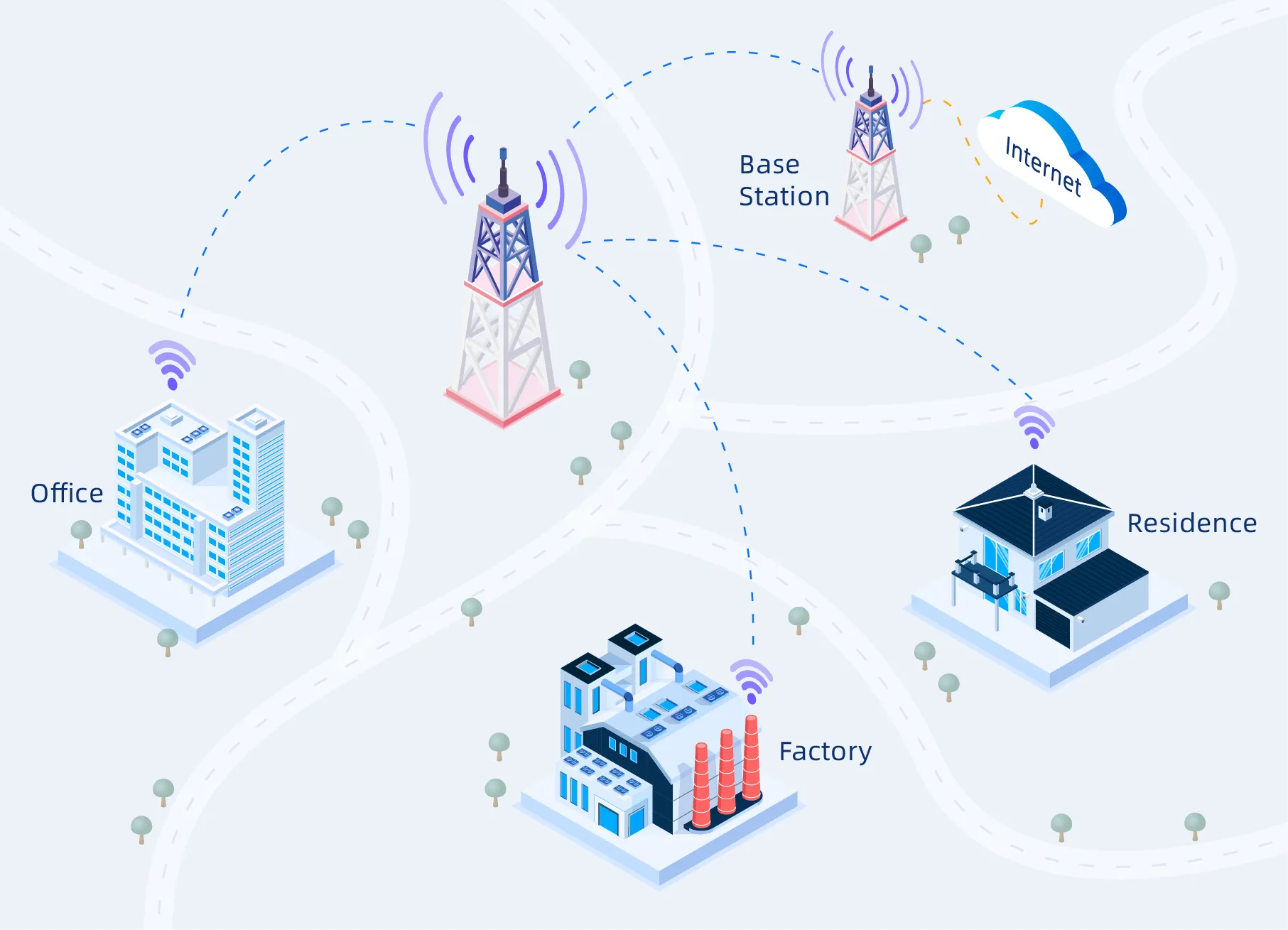
FWA Solution
High-speed wireless broadband access for residential and enterprise.

Private LTE Solution
Ultra-reliable, mission-critical wireless connectivity for enterprise.
Why Choose IPLOOK?
Easy and fast to Deploy
Enable services providers to provide Internet services rapidly and accelerate time-to-market.
Tailor-Made Solution
Based on projected subscriber and traffic throughput requirements.
Strong Brand Differentiation
Multi-vendor’s radios supported and robust integration with third-party systems.
Highly Flexible
Supports multiple deployment scenarios, including Centralized and Distributed.
FAQ
What is 4G/5G Converged Core and how does it differ from traditional network architectures?
The 4G/5G Converged Core is a next-generation solution that integrates 5G Core (5GC) architecture into existing 2G, 3G, 4G, and Fixed Networks. Unlike traditional network architectures that operate independently in siloed environments, the converged core unifies different technologies, allowing seamless multi-network access. This approach leverages network functions and microservice components to enhance flexibility, scalability, and service integration.
How does IPLOOK's 4G/5G Converged Core integrate with 2G, 3G, 4G, and Fixed Networks?
IPLOOK’s 4G/5G Converged Core uses advanced network functions and microservices to bridge the gap between different generations of networks. The 5GC technology is seamlessly introduced into the existing infrastructure, enabling smooth integration across legacy networks (2G, 3G, 4G) and fixed networks. This unified core architecture facilitates the management and deployment of multi-network services without needing separate systems for each network type.
What are the main benefits of using a converged core for 4G/5G networks?
The main benefits of a converged core include:
- Improved Efficiency: By consolidating network functions, a converged core reduces complexity and optimizes resource usage.
- Cost Savings: Businesses can manage multiple network technologies under one platform, reducing operational and maintenance costs.
- Scalability: Easily scale the network for new services and technologies without extensive hardware upgrades.
- Future-Proofing: The converged core supports seamless upgrades, making it easier to adopt future technologies like 5G.
How does the integration of 5GC architecture improve network performance?
Integrating the 5GC architecture into 2G/3G/4G/Fixed Networks enhances performance by enabling dynamic network management, optimized traffic routing, and improved data throughput. It also supports network slicing, which enables the creation of multiple virtual networks tailored to specific use cases or customer requirements, thus improving service delivery and customer experience.
What is the role of microservices in IPLOOK’s 4G/5G Converged Core solution?
Microservices play a crucial role in enhancing the flexibility and scalability of the converged core. Each network function is designed as an independent, modular service that can be updated or scaled individually. This approach allows for better resource allocation, faster deployment of new features, and easier management of complex network operations.
Can IPLOOK’s Converged Core solution support multi-network access? If so, how?
Yes, IPLOOK’s 4G/5G Converged Core is specifically designed to support multi-network access. It integrates network functions that span across 2G, 3G, 4G, and Fixed Networks, allowing seamless interaction between different types of access technologies. By leveraging the 5GC architecture, it facilitates unified access management, enabling operators to offer services across multiple networks through a single platform.
Is the 4G/5G Converged Core compatible with existing network infrastructure?
Yes, IPLOOK’s 4G/5G Converged Core is designed to be highly compatible with existing network infrastructures. It integrates with legacy systems without requiring complete overhauls of existing hardware, ensuring that businesses can leverage their current investments while upgrading to a more future-proof network architecture. The solution supports hybrid deployments, whether on-premises, in the cloud, or a combination of both.
What types of businesses or service providers can benefit from implementing a 4G/5G Converged Core?
Businesses and service providers in telecommunications, IoT, and enterprise solutions can benefit from IPLOOK’s 4G/5G Converged Core. It is ideal for mobile network operators, MVNOs (Mobile Virtual Network Operators), and businesses seeking to expand into mobile services. Enterprises looking to offer tailored connectivity services or integrate their operations with mobile networks can also leverage this solution to improve customer engagement and service efficiency.
What security measures are incorporated in the IPLOOK 4G/5G Converged Core solution?
Security is a critical component of the IPLOOK 4G/5G Converged Core solution. It includes robust encryption protocols, secure access controls, and compliance with industry standards such as GDPR and telecom regulations. The microservice-based architecture ensures isolated functions, reducing the risk of potential vulnerabilities. Additionally, real-time monitoring and threat detection systems are in place to proactively safeguard the network.
How does the 4G/5G Converged Core support future network upgrades, including 5G deployment?
The 4G/5G Converged Core is designed with future scalability in mind. Its flexible architecture allows for easy integration of new technologies, including 5G. Operators can roll out 5G services seamlessly alongside existing 4G networks, while benefiting from network slicing and more efficient resource allocation. As 5G deployment continues, the converged core ensures that future upgrades can be implemented without disrupting existing services, making the transition smoother and more cost-effective.